

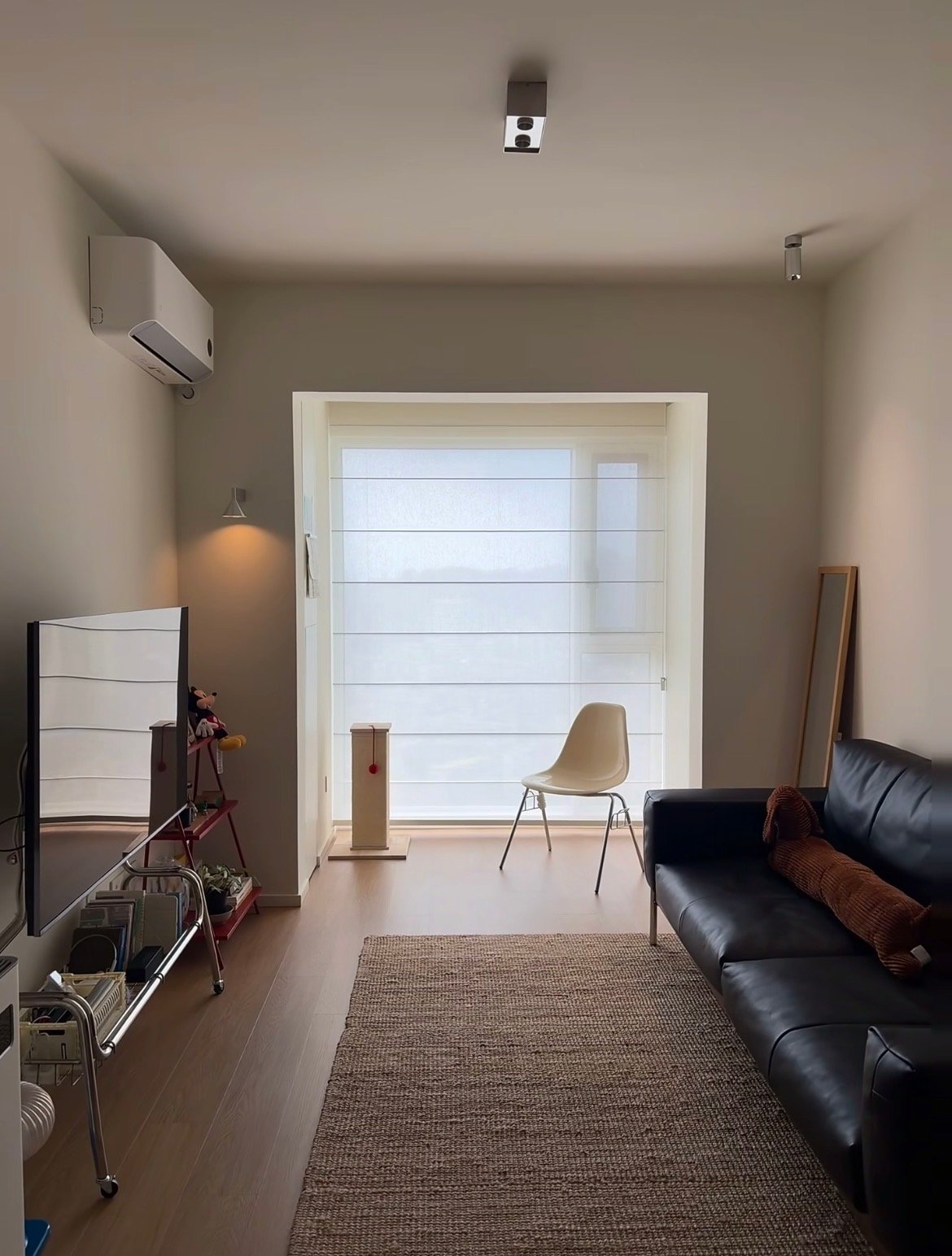
The hallway is more than just a pass-through space—it’s the first impression of your home, a transition zone that sets the tone for every room beyond. Unlike bedrooms or living rooms, hallways face unique challenges: they’re often narrow, dimly lit, prone to scuffs, and suffer from “boring long wall syndrome.” The right wall panel color design can solve all these problems, turning a neglected corridor into a stylish, welcoming focal point.
Whether you’re working with a cramped apartment hallway, a sprawling villa entry, or a high-traffic commercial corridor, these practical color strategies will help you choose hues that expand space, brighten dark corners, and stand up to daily wear—all while reflecting your personal style.
🎨 Why Hall Colors Matter More Than Other Rooms
Hallways are the unsung heroes of home design, but they’re also the most challenging to decorate. The color choices you make here have a disproportionate impact on how your entire home feels. Let’s break down the common hallway challenges and how color solves them:
表格
| Hall Challenge | Color Solution | Wrong Color Choice Effect |
|---|---|---|
| Narrow/Dark Space | Light-reflective hues (soft whites, pale beiges, light greys) bounce light, making the space feel wider and airier. | Dark colors absorb light, creating a “tunnel effect” that makes even wide hallways feel cramped and gloomy. |
| High Scuff Marks | Medium-toned forgiving shades (taupe, warm greige, soft sage) hide minor scuffs, fingerprints, and dirt better than stark whites. | Pure whites and pale pastels show every mark, requiring constant cleaning and touch-ups. |
| Boring Long Walls | Strategic accent zones (e.g., a bold feature wall, two-tone panels, or textured patterns) break up monotony and add visual interest. | All-neutral, one-note walls feel flat and lifeless, making long corridors feel endless and uninviting. |
| Awkward Lighting | Warm undertones (cream, honey oak, soft terracotta) counteract harsh overhead lighting or dim natural light, creating a cozy glow. | Cool tones (blues, stark greys) amplify shadows and make dim hallways feel cold and uninviting. |
With WPC wall panels, you don’t have to choose between style and practicality. Their durable, scratch-resistant surface and UV-stabilized colors mean your hallway will look great for years, even with heavy foot traffic. Let’s explore the winning color strategies to transform your corridor.
🌈 4 Winning Color Strategies for Hall Wall Panels
These four approaches work for every hallway style—from modern minimalist to cozy farmhouse—and address the unique challenges of high-traffic spaces.
1. The “Light-Expand” Formula: Brighten & Widen Narrow Hallways
For narrow, dim hallways, the goal is to maximize light and create the illusion of space. This strategy uses light-reflective colors and subtle textures to open up even the tightest corridors.
- Best Colors: Soft off-white, pale warm grey, light oak wood-grain, or subtle cream marbled panels.
- How It Works: Light hues reflect natural and artificial light, bouncing it around the room to eliminate dark corners. Wood-grain or marble patterns add texture without overwhelming the space, preventing the “clinical” feel of pure white.
- Pro Tip: Pair light panels with vertical lines (e.g., linear wood-grain patterns or narrow panel strips) to draw the eye upward, making low ceilings feel higher.
Example Look: A narrow apartment hallway with light oak WPC panels. The warm wood grain adds subtle texture, while the light tone reflects light from the entryway window, making the space feel twice as wide.
2. Earthy Flow: Warm, Cohesive Tones for Connected Spaces
If your hallway opens into rooms with earthy decor (e.g., a living room with terracotta accents or a kitchen with warm wood cabinets), use earthy hues to create a seamless flow. This strategy uses natural, warm tones to make the transition between spaces feel intentional and cozy.
- Best Colors: Warm greige, soft taupe, honey oak, muted terracotta, or sage green.
- How It Works: Earthy tones are inherently calming and pair well with most home decor styles. They also hide scuffs better than pure whites, making them ideal for high-traffic areas.
- Pro Tip: Choose panels with subtle wood-grain or stone textures to mimic natural materials, adding depth without overwhelming the space.
Example Look: A farmhouse-style hallway with greige WPC panels and honey oak trim. The warm tones complement the living room’s wooden furniture, creating a cohesive, inviting flow.
3. Two-Tone Magic: Break Up Long Walls & Add Depth
Long, straight hallways can feel monotonous—this is where two-tone designs shine. By combining two complementary colors, you can create visual interest, break up long walls, and even make the space feel more dynamic.
- Classic Combinations:
- Light grey + charcoal (modern, sophisticated)
- Off-white + warm wood-grain (cozy, farmhouse)
- Sage green + cream (fresh, natural)
- Soft beige + terracotta (warm, bohemian)
- How to Use It:
- Half-and-Half: Use the darker color on the lower half of the wall (up to chair rail height) and the lighter color above. This hides scuffs at foot level while keeping the upper half bright.
- Vertical Stripes: Alternate narrow strips of two colors to add rhythm and draw the eye down the hallway.
- Accent Wall: Use a bold color or textured panel on one end of the hallway to create a focal point, making the long space feel purposeful.
Example Look: A long modern hallway with half-and-half panels: warm taupe on the lower half and soft white marble on the upper half. The taupe hides scuffs, while the white keeps the space bright and airy.
4. Bold Accent Zones: Add Personality Without Overwhelming
If you love color but don’t want to commit to a full hallway makeover, use bold accent zones to add personality. This is perfect for small hallways or renters who want to make a statement without painting.
- Best Accent Colors: Deep navy, forest green, burnt orange, or even subtle metallic gold/silver accents.
- Where to Use Them:
- The end wall of the hallway (creates a focal point and draws the eye forward)
- A single panel strip above a console table
- Around a mirror or artwork to frame the piece
- Pro Tip: Pair bold accents with neutral panels (white, grey, or beige) to balance the look. The neutral base keeps the space calm, while the accent adds personality.
Example Look: A contemporary hallway with soft grey panels and a bold navy accent wall at the end. The navy wall contrasts with the grey, creating a striking focal point that makes the long hallway feel intentional.
💡 Lighting & Finish Guide: How Light Affects Color Perception
The same color can look drastically different in a hallway depending on the lighting. Here’s how to choose the right finish and hue for your space:
- Dim Natural Light (e.g., north-facing hallways):
- Avoid cool tones (blues, stark greys)—they’ll look flat and shadowy.
- Choose warm undertones (cream, honey oak, warm beige) to add a cozy glow.
- Opt for a semi-gloss or satin finish (not matte) to reflect light.
- Bright Natural Light (e.g., south-facing hallways):
- You can get away with cooler tones (light grey, soft sage) or even bold colors (navy, terracotta).
- A matte finish works well here, as it won’t create glare from bright light.
- Artificial Lighting Only (e.g., basement hallways):
- Use warm LED bulbs (2700K-3000K) and warm-toned panels to avoid a cold, institutional feel.
- Avoid very dark colors—they’ll absorb all artificial light.
✅ Do’s & Don’ts for Lasting Results
To ensure your hallway wall panels look great for years, follow these simple rules:
Do’s
- Do test samples in your hallway: Hold panel swatches up to the wall at different times of day to see how they look in natural and artificial light.
- Do consider scuff resistance: Medium tones or textured panels hide scuffs better than pure whites or flat pastels.
- Do plan for transitions: Make sure your hallway colors complement the rooms it connects (e.g., if your living room has blue accents, a soft blue-grey hallway works well).
- Do use trim to define zones: White or wood-grain trim can separate two-tone panels or accent walls, creating a polished look.
Don’ts
- Don’t use pure white in high-traffic hallways: It will show every scuff, fingerprint, and dirt mark.
- Don’t overdo bold colors: Too many bright hues can make a narrow hallway feel overwhelming. Stick to one accent zone at most.
- Don’t ignore the ceiling: A white or light-colored ceiling paired with light wall panels will make the hallway feel taller.
- Don’t skip expansion gaps: WPC panels expand and contract with temperature changes—leaving small gaps prevents warping.
💰 Budget Hacks with Max Impact
You don’t need a huge budget to transform your hallway. These simple hacks deliver big results for less:
- Accent Wall Only: Instead of paneling the entire hallway, install panels on just the end wall or one feature wall. It’s cheaper and still makes a huge impact.
- Mix & Match Textures: Combine affordable light wood-grain panels with a single bold marble or metallic accent panel for contrast.
- Use Panel Trim: Add inexpensive white or wood-grain trim to plain panels to create a two-tone effect without buying different colored panels.
- Focus on the Entryway: If your hallway is long, only panel the first 1-2 meters near the front door. It creates a great first impression and costs less.
☁️ Humidity-Hardy Color Solutions
If your hallway is near an entry door or prone to humidity (e.g., in coastal areas), choose colors and finishes that resist moisture and fading:
- Best Colors: Light to medium tones (greige, taupe, light grey) are less likely to show water spots than dark colors.
- Best Finishes: Semi-gloss or satin finishes repel moisture better than matte, making them easier to wipe clean.
- Pro Tip: WPC panels are naturally water-resistant, so you don’t have to worry about warping or mold—just avoid very dark, porous-looking textures that can trap moisture.
✅ 5-Step Color Selection System
Still unsure where to start? Follow this simple 5-step process to pick the perfect colors for your hallway:
- Assess Your Space: Note the hallway’s width, lighting (natural vs. artificial), and traffic level (high-traffic? Kids/pets?).
- Pick Your Base Color: Choose a light, forgiving tone (light grey, greige, warm beige) that brightens the space and hides scuffs.
- Decide on Accents: Do you want a two-tone design, an accent wall, or a simple trim contrast? Pick one accent color that complements your base.
- Test Samples: Get free panel samples and hold them up to the wall at different times of day to see how they look in light.
- Finalize the Design: Map out the layout (e.g., half-and-half, accent wall, vertical stripes) and order your panels.
Ready to transform your hallway? Contact us today to request free color samples of our WPC wall panels. See the textures and tones in person and find the perfect palette to make your corridor shine.